Element- n. An element is a pure substance that cannot be broken apart into any other substances.
To read each of the elements in the Periodic Table, you can guide yourself with this "key" or "legend".
*Note that depending on the different formats inside the Periodic Table's element boxes, the order of the things inside may vary.
Each box, contains the following information:
The Atomic Symbol- The abbreviation in which an element is represented by.
The Atomic Number- The number of protons the atom has.
The Atomic Mass- The average mass of the atom.
The Element's name- (Not always present) Tells you the complete name of the element.
The periodic table is organized in families. Some of the important families are the following:
Alkali Metals
Alkaline Metals
Halogens
Noble Gases
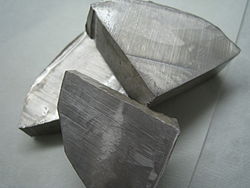
Sodium
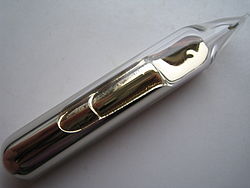
Cesium
Alkali Metals- Group 1 in the Periodic Table. Very reactive! Because they only have one valence electron, they can give it away and become stable. Highly reactive with Halogens. The Alkali Metals are:
Lithium
Sodium
Potassium
Rubidium
Cesium
And Francium
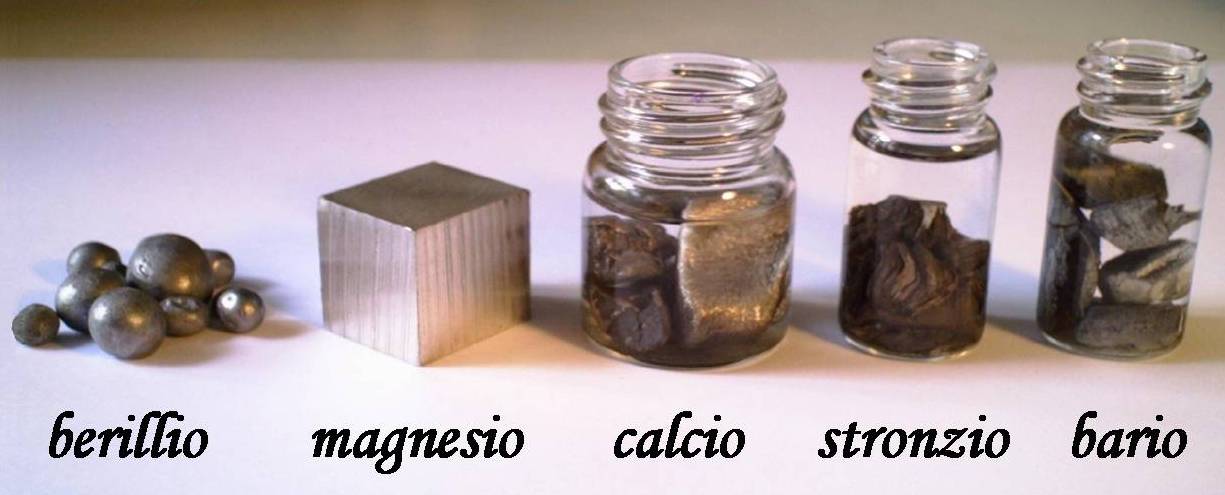
Beryllium, Magnesium, Calcium, Strontium, Barium
Alkaline Metals- Group 2 in the Periodic Table. Very reactive but not as much as Alkali Metals. They have two valence electrons; to be stable they need to "give away" those two. The Alkaline Metals are:
Beryllium
Magnesium
Calcium
Strontium
And Barium
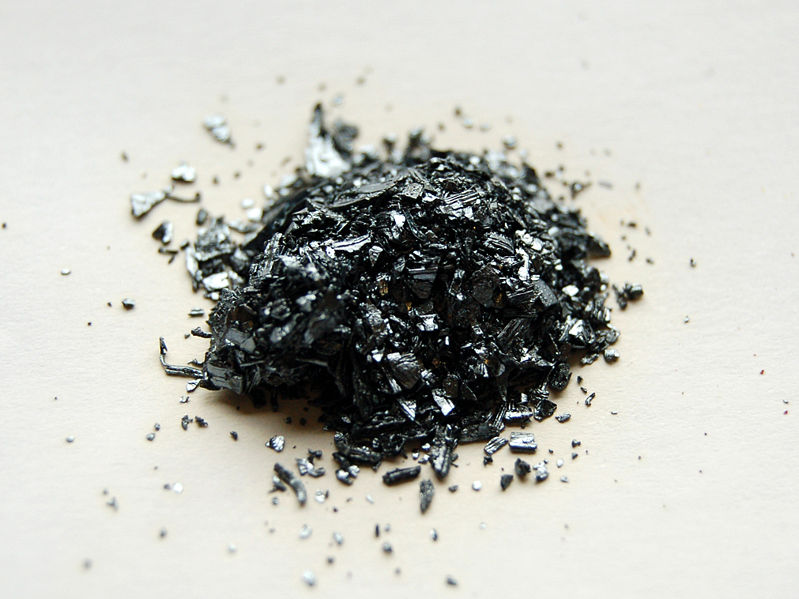
Iodine
Fluorine
Halogens- Group 17 in the Periodic Table. Halogens are very reactive with Alkali Metals. Because they have 7 valence electrons and only need one more to become stable, they are very reactive. The halogens are:
Fluorine
Chlorine
Bromine
Iodine
And Astatine
Neon
Helium
Noble Gases- Group 18 in the Periodic Table. Noble Gases are not reactive because they are stable, they have 8 valence electrons so they don't combine easily. The noble gases are: